


First-Time Homebuyer Guide: Using Storage to Simplify Your Move
#Moving Help #Self Storage News

First-Time Homebuyer Guide: Using Storage to Simplify Your Move
Buying your first home is exciting, but let’s be honest, it’s also a lot. Between mortgage paperwork, inspections, and the countdown to closing day, the actual moving part can feel like an afterthought until it’s suddenly not. And that’s usually when the stress hits: too many boxes, not enough space, and a move-in day that feels more chaotic than celebratory. The good news is that a little strategic planning, plus a storage unit, can turn that chaos into a smooth, manageable transition. Here’s how to use storage to simplify every step of your first home purchase, from packing to settling in.
The Misconception About Unit Size
When it comes to choosing a storage unit, most first-time movers make the same mistake: they guess. Either they assume they need more space than they actually do and end up overpaying for a unit that’s half empty, or they underestimate how much a full household adds up to and find themselves squeezing boxes into every last inch.
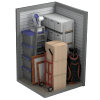
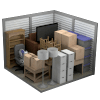
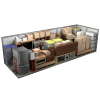
A common misconception is that unit size scales directly with home size. A one-bedroom apartment and a small starter home can look similar on paper, but once you factor in furniture, boxes, and appliances, the space adds up fast. Even a modest home can generate enough boxes and furniture to fill a 10×10 or 10×15 unit, especially if you’re storing anything long term rather than just staging items for a quick move.
If you’re clearing out a full studio or a one-bedroom apartment, a 10×10 unit is usually the right call. Before committing to a size, use a storage unit size guide to match your inventory to a realistic footprint. Renting too large wastes money; renting too small means a second trip or a unit you can’t close.
When to Book and Why Timing Matters
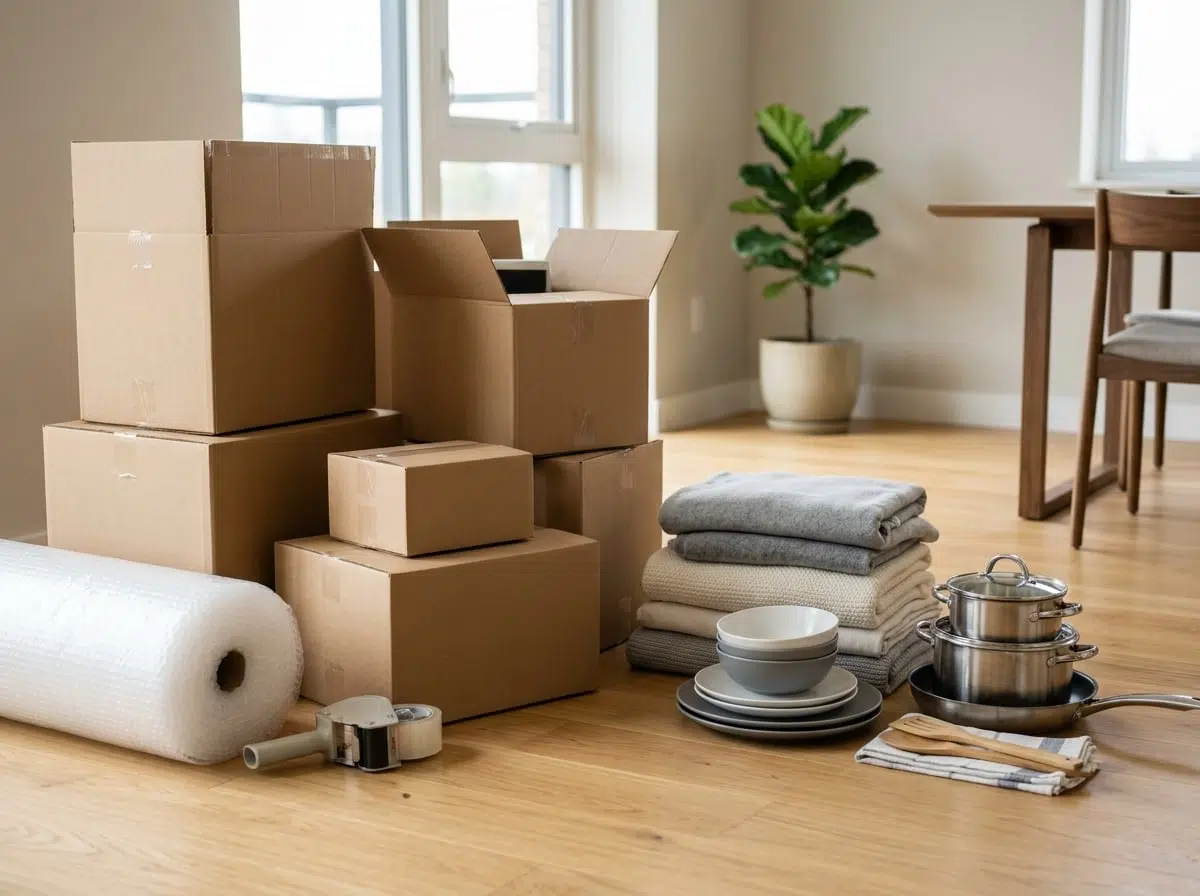
One of the most overlooked parts of a home purchase is figuring out when to actually reserve your storage unit. Many first-time buyers wait until the week of closing to think about it, and by then, availability at nearby facilities can be limited, especially during peak moving seasons like summer or the end of the month.
A good rule of thumb is to book your storage unit as soon as you have a firm closing date, ideally two to three weeks in advance. This gives you time to declutter and start packing non-essentials early, rather than scrambling to pack your entire home in a single weekend. It also means you’re not paying for extra time you don’t need, since most facilities offer flexible month-to-month leases that let you move in on your own schedule.
Timing matters for another reason too: closing dates can shift. Financing delays, inspection issues, or seller negotiations can push your move-in date back, sometimes by days or even weeks. Having a storage unit ready ahead of time gives you a buffer. Instead of scrambling to find last-minute space for your belongings, you’ll already have a spot to store furniture, boxes, or seasonal items while you wait for the final green light on your new home.
Climate Controlled Units: Worth It or Not?
A lot of first-time homebuyers skip climate controlled storage to save a few dollars a month, and for some items that’s fine. Plastic bins of winter clothes or basic furniture can generally handle a standard unit through a Minnesota summer. But electronics, wood furniture, and anything with finishes or adhesives can degrade in a unit that swings between cold nights and hot afternoons. A temperature-regulated environment keeps conditions consistent, which reduces the risk of warping, cracking, or finish damage over several months. If your unit will hold a laptop, a guitar, or wood furniture, the upgrade is usually worth it. Our climate controlled storage guide explains what to expect in more detail.
What to Pack and What to Leave Behind
Once you’ve got your storage unit booked, the next question is figuring out what actually goes into it and what stays with you for day-to-day living. This decision matters more than people expect, since packing the wrong things can leave you digging through storage for items you need daily, while cluttering your new home with things you won’t touch for months.
Taking a little extra time to sort thoughtfully now saves you from unpacking chaos later, and it means your storage unit works for you instead of just becoming another version of the clutter you’re trying to leave behind.