


Downsizing Your Twin Cities Home Without Losing Memories
#Moving Help #Self Storage News

Downsizing Your Twin Cities Home Without Losing Memories
The hardest part of downsizing isn’t finding a smaller place. It’s standing in a room full of furniture, photo albums, and decades-old keepsakes and deciding what comes with you. That question sits at the center of nearly every downsizing conversation in the Twin Cities, and it comes up just as often for college students in Minneapolis as it does for empty nesters moving from a four-bedroom house in Roseville to a condo near the river. The items may be different, but the emotional weight is the same.
Sort by Function First, Then by Feeling
Start with the practical layer before you get to the sentimental one. Pull out anything you use regularly and set it aside. What remains falls into two categories: things you want to keep but don’t need daily, and things you’re unsure about.
The “unsure” pile is where most people stall. A good rule: if you haven’t touched it in two years and can’t name a specific reason you’d want it in the next two, it’s a candidate for donation or passing along to family. If you can name a reason, even a seasonal one, it probably belongs in storage rather than in the trash or a donation bin.
Give Heirlooms a Destination, Not Just a Box
Furniture, artwork, and family keepsakes tend to pile up in storage units when no one has thought through who actually wants them. Before you move anything into a unit, make a short list of family members who might want specific pieces. A cedar chest, a dining table, or framed prints are things that often have a natural home if you ask around first.

For pieces that need to wait, a climate controlled unit helps protect wood furniture and artwork from the temperature swings that come with Minnesota winters and summers. Our post on storing antique furniture in a climate controlled unit covers the specifics of preparing those pieces before they go in.
Storage as a Bridge, Not a Final Answer
A storage unit works best when it’s part of a plan, not a place to defer decisions indefinitely. Renters downsizing from a larger home often use a unit for six to twelve months while they settle into the new space and figure out what they actually have room for. College students heading home for the summer or moving between apartments use storage the same way: as a short-term bridge between one chapter and the next.
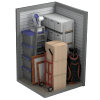
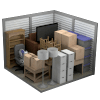
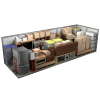
If you’re not sure what size unit fits your situation, the unit size guide breaks down what fits in each option, from a compact 5×5 up through larger units suited for full household contents. That’s a useful starting point before you start loading boxes.
Childhood Items Deserve a Thoughtful Process
Toys, school projects, and childhood keepsakes are among the toughest categories to sort. They’re rarely useful, but they carry emotional weight. One practical approach: photograph items before donating them. The photo preserves the memory without requiring the physical object. For pieces you genuinely want to keep, proper packing and a temperature-regulated environment go a long way. Our guide on how to store childhood toys walks through the prep work worth doing before those items go into a unit long-term.
Downsizing doesn’t have to mean losing the things that matter. With a clear sorting process and the right storage plan, you can move into a smaller space in Eagan, Maplewood, or anywhere else in the Twin Cities without feeling like you’ve left your history behind. The goal is a home that fits your life now, with room to hold on to what still belongs in it. For more on navigating this kind of transition, the complete downsizing guide is a good next read.