
How to Store Antique Furniture in a Climate Controlled Unit
#Self Storage News

How To Store Antique Furniture in a Climate Controlled Unit
Antique furniture has survived decades, sometimes centuries, of daily use, family moves, and changing hands. But one poorly chosen storage unit can undo all of that durability in a single season. If you’re preparing to store wooden pieces like a Victorian sideboard or a collection of hand-carved chairs, the environment you choose matters as much as the care you take wrapping them.
In the Twin Cities, the stakes are especially high. Minnesota’s climate swings from subzero winters to warm, muggy summers, creating conditions that are genuinely hard on wood, leather, and fabric. Standard storage units simply aren’t built to handle those extremes, but the right temperature controlled unit can help protect your pieces year-round, no matter what the weather does outside.
Let Acorn Mini Storage® walk you through everything you need to know about storing antique furniture, from why climate control matters, to how to prepare your pieces, what to look for in a Twin Cities storage facility, and how to arrange your unit for maximum protection. Think of it as a practical checklist for anyone who wants to store antiques the right way.
Why Antiques Need More Than Just a Dry Space
When most people think about storing antique furniture, they imagine keeping pieces out of the rain or away from a leaky basement. But the real threat to wood, leather, and upholstered antiques is far more subtle. It’s the constant swing between warm and cold that quietly causes warping, cracking, and deterioration over time. A piece of furniture that survived 150 years in a family home can fall apart in a single Minnesota winter if stored in the wrong environment.
Standard storage units offer a locked space, but they don’t actively control temperature levels. That means your unit is essentially breathing with the outside air, and in the Twin Cities, that air swings from brutal subzero winters to sticky, oppressive summers. Those dramatic seasonal shifts are exactly what antique furniture cannot tolerate. A temperature controlled environment, by contrast, maintains a stable interior climate year-round, regardless of what’s happening outside.
That’s why climate controlled storage is an investment in protection for pieces that can’t be easily replaced. Proper preparation and smart arrangement matter, but none of that work pays off if the unit itself is working against you.
Preparing Your Antiques Before They Go Into Storage

The steps you take before moving a piece into storage are just as important as the unit itself. Dust, skin oils, and surface residue don’t just sit harmlessly on furniture. In a sealed environment, they can accelerate deterioration. Start by cleaning every surface gently with appropriate materials, like a soft, dry cloth for most wood surfaces, and a lightly dampened cloth for pieces with lacquer or painted finishes.
Once surfaces are clean, apply a protective barrier suited to the material:
- Wood furniture: Apply a thin coat of beeswax or a quality furniture oil to seal the grain and prevent drying.
- Leather upholstery: Use a dedicated leather conditioner to keep the material supple and reduce the risk of cracking.
- Fabric upholstery: Spot-clean any stains before storage, and allow pieces to dry completely before wrapping.
Disassemble what you safely can, including table legs, removable shelves, and detachable hardware, to reduce stress on joints and make pieces easier to transport and arrange. When wrapping, use breathable materials like moving blankets or acid-free padding. Avoid wrapping wood or fabric directly in plastic, which traps condensation against the surface and can cause more damage than it prevents.
Finally, photograph each piece from multiple angles and note any existing condition details. This documentation is invaluable for insurance purposes and gives you peace of mind knowing you have a clear record before anything goes into storage.
Choosing the Right Climate Controlled Unit in the Twin Cities
Choosing the right unit size is equally important as the type. An oversized unit may seem like a good idea, but too much open space can create uneven air circulation, and you’ll pay for square footage you don’t need. Use our storage unit size guide to match your inventory before you commit. A well-fitted unit keeps your pieces organized, stable, and properly supported by the facility’s climate system.
Location matters too. Look for Acorn Mini Storage® facilities in convenient Twin Cities communities like Eagan, Roseville, and Maplewood that offer easy, secure access without a long drive. If you’re navigating an estate settlement or a home renovation, the last thing you need is a facility that’s hard to reach.
How To Arrange and Maintain Your Antiques Inside the Unit
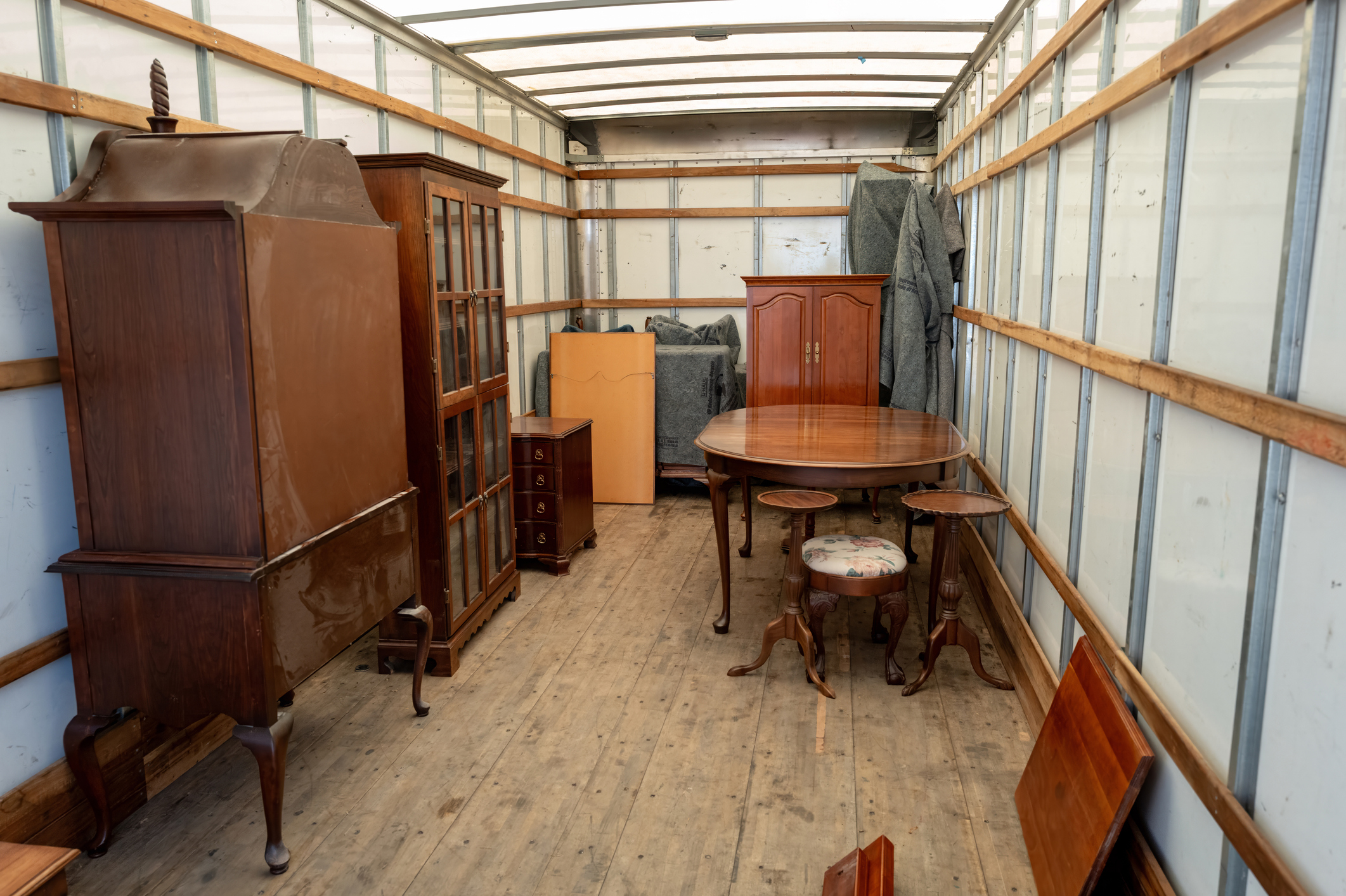
Even inside a well-controlled unit, how you arrange your furniture makes a real difference. Concrete floors, even in temperature controlled buildings, can transmit residual ground cold to anything sitting directly on them. Elevate all furniture off the floor using pallets or furniture risers. This simple step protects legs and bases from any ground-level temperature variation and keeps air moving underneath your pieces.
Follow these arrangement principles for the best results:
- Leave a few inches of space between pieces and between furniture and the walls. This allows the unit’s climate system to circulate air evenly throughout the space.
- Place heavy items on the bottom, like dressers, wardrobes, and solid wood tables, and reserve upper shelving for lighter, more fragile items like framed artwork, lamps, or small decorative pieces.
- Never stack antique chairs or tables directly on each other. The weight and pressure will stress joints, scratch finishes, and can cause irreversible damage over time.
- Use shelving units to maximize vertical space without stacking. The importance of shelving in a storage unit cannot be overstated when you’re working with delicate antiques.
Schedule periodic check-ins every four to six weeks. Walk through the unit, inspect pieces for any signs of shifting or pest activity, and check that the unit’s environment feels consistent. After each visit, update your inventory list with any condition notes. This ongoing record keeps your documentation current and makes sure you always know exactly what you have in storage and how it’s holding up.
Start Protecting Your Furniture the Right Way in the Twin Cities
The combination of proper preparation, a quality climate controlled unit, and smart interior arrangement gives your pieces the best possible chance of lasting for generations.
If you’re in the middle of a home renovation, settling a loved one’s estate, or simply need a secure place to keep furniture while you figure out next steps, local storage facilities across the Twin Cities are ready to help. Communities like Eagan, Roseville, and Maplewood offer convenient options with month-to-month leases that give you flexibility without pressure. You can also explore how temporary storage supports home renovation projects if you’re navigating that particular life transition.
If you’re new to renting a unit and want to understand the full process before committing, our beginner’s guide to renting self storage is a great place to start. And when you’re ready to take the next step, reach out to a local storage expert who can walk you through unit size options, confirm climate control features, and help you find a secure and affordable solution that fits your situation.