



Ski and Hockey Gear Storage for the Offseason
#Personal Storage
Ski and Hockey Gear Storage for the Offseason
Most people toss their gear into a corner of the garage when the season wraps and figure they’ll deal with it later. Then spring arrives, the garage fills up again, and skis end up leaning against the wall for months in conditions that aren’t doing them any favors. A little planning around sports equipment storage goes a long way toward keeping your gear in good shape and reclaiming the space it’s been eating up.
Why Offseason Storage Conditions Actually Matter
Ski boots left in a hot garage through a Minnesota summer can warp and lose their fit. Hockey pads that get packed away damp will hold onto odor and break down faster. These are all things that happen regularly when gear gets stashed without much thought. A temperature-controlled environment helps prevent the kind of damage that comes from repeated heat swings, and it keeps materials like foam padding, plastic shells, and composite ski cores from degrading ahead of schedule.
For families with multiple skiers or players on a hockey team, the volume of gear adds up quickly. Two pairs of skis, poles, boots, helmets, and a bag of hockey equipment can fill a unit on their own.
How To Prep Ski and Hockey Equipment Before Storing It
A few steps before you store make a real difference in what condition everything is in when you pull it back out:
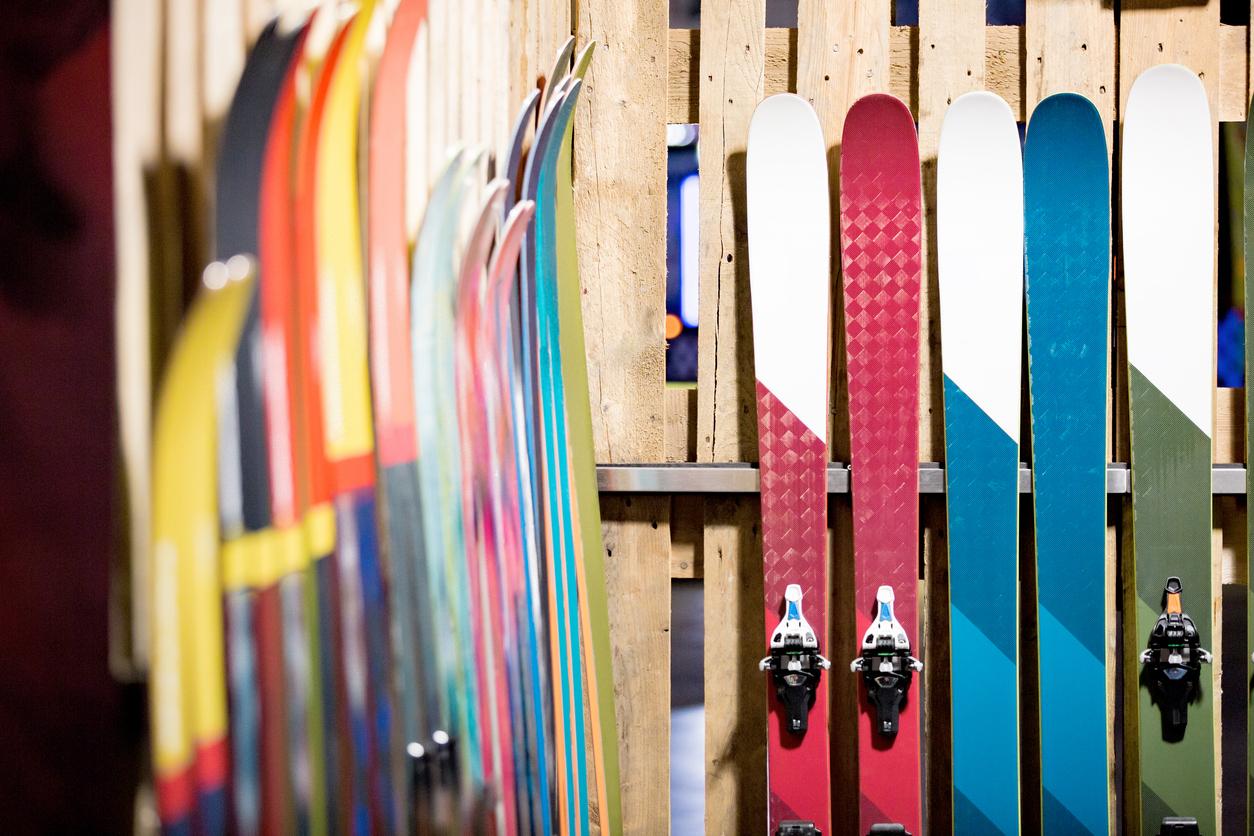
- Wipe down ski bases and apply a thick coat of storage wax before putting skis away. The wax keeps the base from oxidizing over the offseason.
- Store skis horizontally or hang them vertically on a wall-mounted rack if your unit allows it. Leaning them at an angle for months can cause the tips to bow.
- Let hockey pads, gloves, and jerseys dry completely before packing. Sealing damp gear into a bag or bin creates the conditions for mildew and persistent odor.
- Remove blades from skates and store them separately if possible, or at least make sure they’re dry and lightly oiled to prevent rust.
- Use a gear bag or open bins rather than airtight containers for pads and soft equipment, so air can still circulate.
Shelving inside your unit helps keep everything organized and off the floor. Having good shelving in your storage unit makes it easier to stack bins, hang bags, and keep hard equipment like helmets and boots from getting crushed under other gear.
Choosing the Right Unit Size for Sports Gear
A 5×5 unit works for a single person’s ski setup or a light hockey kit. Once you’re storing gear for two or more people, or adding in other offseason items like patio furniture or bikes, you’ll want more floor space. Our unit size guide is a practical starting point for figuring out what fits before you commit to a unit.
Twin Cities winters generate a lot of seasonal gear, and sports equipment is just one part of it. If you’re also putting away winter clothes, holiday decorations, or other bulky items at the same time, it helps to think about the full picture of what you’re storing rather than sizing up just for the skis and sticks. For more on that kind of seasonal planning, our winter activities guide for Twin Cities families offers some useful context on how locals approach the season.
Storing sports equipment well isn’t complicated, but it does require more than a corner of the garage. Clean the gear, let it dry, store it in a climate-controlled unit sized to fit everything comfortably, and it’ll be ready to go when the season opens back up. That’s a better outcome than discovering cracked boot liners or rusted blades the morning of your first ski day. Find the space to keep all your winter gear with Acorn Mini Storage today.